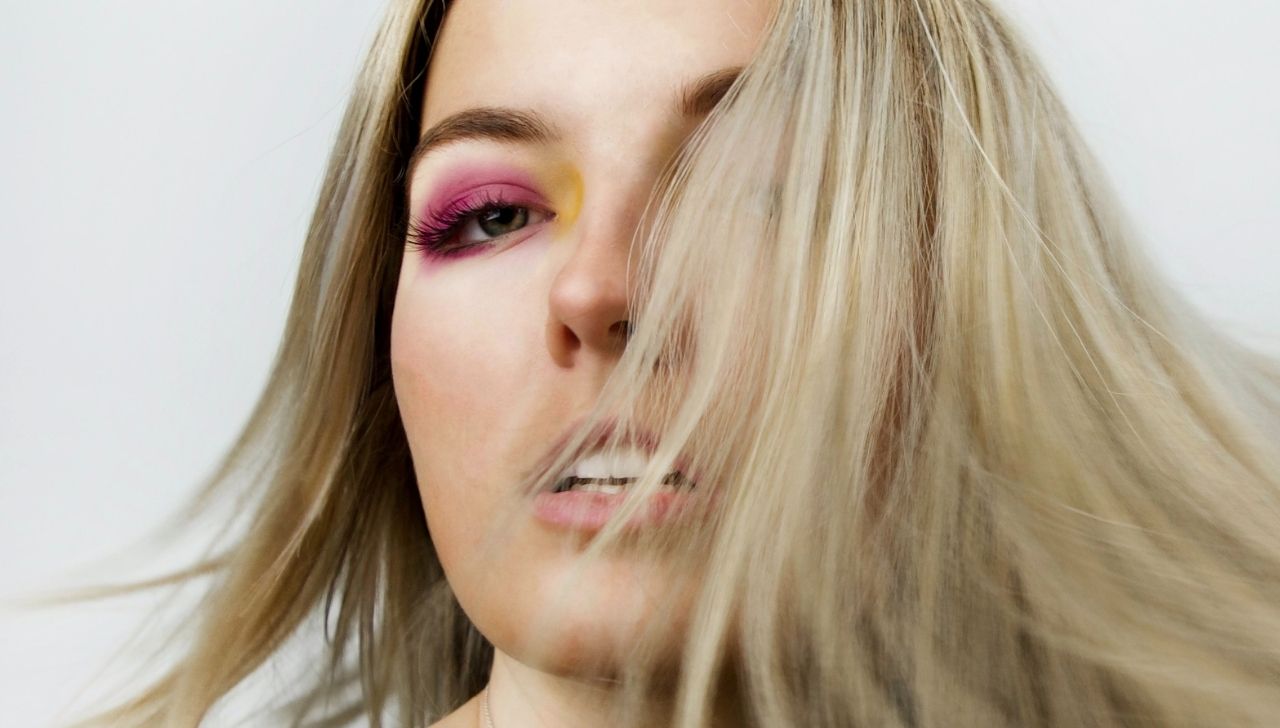
If you don’t know your skin tone, you may have a hard time choosing the right lipstick or foundation color for your skin. Although most of us prefer to choose lipstick or nail polish based on the appearance of the color in question, colors that look good on others sometimes may not suit us. Understanding the skin undertone will come into play here and will solve some of the problems in makeup. If you’re wondering why skin undertone matters and how to find your skin undertone, read on to discover the answers.
Skin undertone is the undertone or surface tone (also known as an overtone) below your original skin tone. When you look in the mirror, your skin may appear light, wheatish, or dark. This is the color of the skin surface. Undertone is the color just under your skin. Even if you have the same skin tone as everyone else, you may not have the same skin undertone. That’s what makes all the difference. Whether it’s foundation or lipstick, nail polish or clothes, your skin undertone is the factor that determines which colors and tones will suit you.
As we mentioned before, when you know your skin undertone, you can easily choose clothes and make-up that complement your skin. When we all choose a new lipstick, foundation or dress, we are often first attracted to its color. In fact, we choose them all based on how good they look in the shop window or in someone else. This kind of “love at first sight” applies to most of us. Then what? When we try it ourselves, we can see that it doesn’t suit us that well. The reason for this is that any color that is not compatible with the skin undertone will not look good on the person.
Traditionally, skin undertones are divided into three:
However, some people do not belong to any of these three skin undertones. These people have olive skin tone (or olive complexion). Although this tone is often confused with a neutral skin undertone, it is actually different and has its own characteristics. It is a slightly yellow and greenish gray shade, so it is also unique.
Finally, the idea that fair-skinned people have cool skin undertones and dark-skinned people have warm skin tones is a common misconception. Because it could be the other way around. That’s why it’s so important to examine your skin undertone before buying foundation and other makeup products. Read on to find out ways to determine your skin undertone.