Ageing brings with it many changes in the human body. Signs of aging, which begin in the 40s as a few wrinkles or a few white hairs around the eyes, are usually read through appearance. However, in the background, there are hormonal changes that are felt especially intensely in the female body. All this change, which is considered a part of the natural process, not only defines the new period the body has entered, but also raises awareness about the way of living the next life. Just as skin and hair care routines vary according to personal needs or seasonal conditions, it is necessary to take into account the age of the body in order to best meet these needs.
If you think that your hair has lost its former shine and vitality, you can follow these care steps after your 40s:
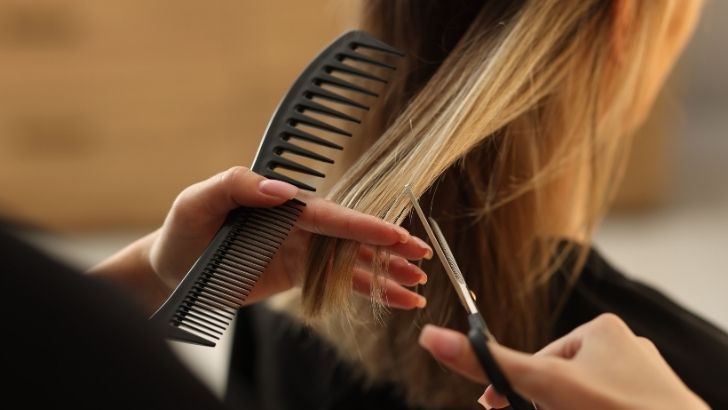
The biggest change in the structure of hair strands after the age of 40 is thinning. Hair follicles that become smaller over time 400;”> produces hair strands that are more delicate than before, and as a result, the hair appears to have lost its volume and density. The sparse appearance, especially around the crown and temples, is the result of this thinning. Additionally, thinning begins around the hair parting line. In fact, this process is generally related to genetic predisposition as well as changes in hormone levels and can be seen in both women and men. But inheriting androgen-sensitive hair follicles can increase the rate of hair thinning.
In this period, instead of applying heavy products to the hair strands, cleansing them with lighter formulas can prevent the hair from becoming heavier and breaking. Since thin hair strands have lost their elasticity, they are more affected by the movements applied during brushing and gathering. Therefore, treating the hair more sensitively

