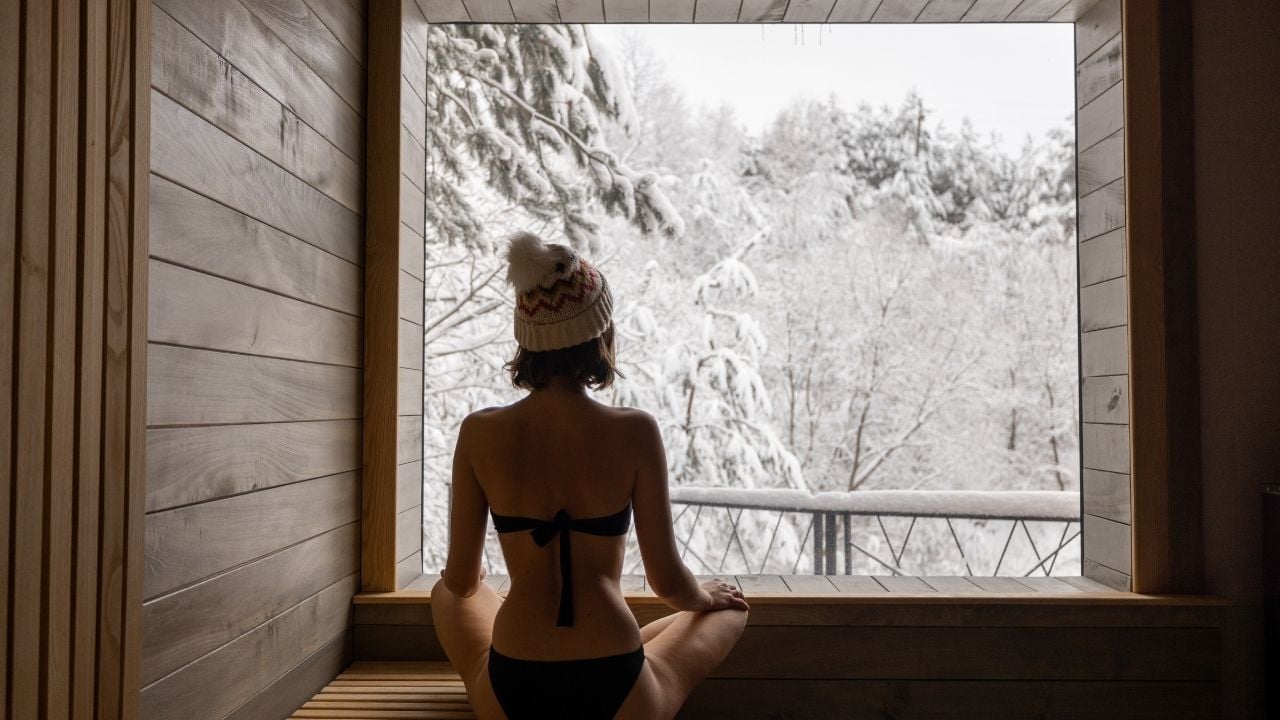
Sauna, one of the most ancient rituals identified with Scandinavian culture, has gone far beyond being just a traditional spa routine in recent years. Saunas, which have transcended regional borders and become mainstream socialization trends all over the world, are now on their way to becoming an established lifestyle trend. Especially people from generation Z and millennials see saunas as more than a place to sweat. Sauna culture, which has become popular as one of the most entertaining and healthy methods of community experience and social bonding, is starting to include party and event concepts.
This new phenomenon, which combines traditional sauna culture with modern urban life, supports healthy entertainment accompanied by herbal aromas and natural materials. Sauna culture, the new social battery of modern man, finds its place in popular community events all over the world, from London to New York, and brings a new interpretation to the concept of “social well-being”.

The origin of sauna culture dates back thousands of years. Saunas, which have been the indispensable philosophy of life of the Finnish people for thousands of years, were not only intended as bathing places when they first appeared. Minimal designed wooden rooms, usually located on piers on the sea, were also considered sacred places where births took place, patient care was provided, and even the dead were sent off. Sweating rituals, ranging from Roman baths to Indian tents, find a different interpretation in almost every civilization, but generally served the purposes of driving away evil spirits and renewal.
Sauna culture, although based on physiological relaxation and health benefits, was one of the important social practices in society. This approach, which has been established in Scandinavian countries, is still used for physical purification purposes today. But they are also considered meeting places where family, friend and business relationships are strengthened. Although its social use in other civilizations has changed over time, it is especially popular in countries such as Finland.