If you’ve started to see more hair than usual in the shower, on your hairbrush, or on your pillow in autumn, it’s natural to wonder whether this can be explained simply by the change of seasons. Research shows that there may be seasonal changes in the hair growth and loss cycle, and the amount of hair loss may increase, especially in late summer and early autumn. However, this does not always indicate permanent hair loss.
Since the hair growth cycle does not progress at the same pace throughout the year, more hair loss may be noticed in the autumn months. In addition, stress, rapid weight loss, malnutrition, illnesses, hormonal changes and some health problems can also increase hair loss. So, why does hair loss increase in autumn? How normal is seasonal hair loss and in what cases should you consult a specialist? Here is the answer…
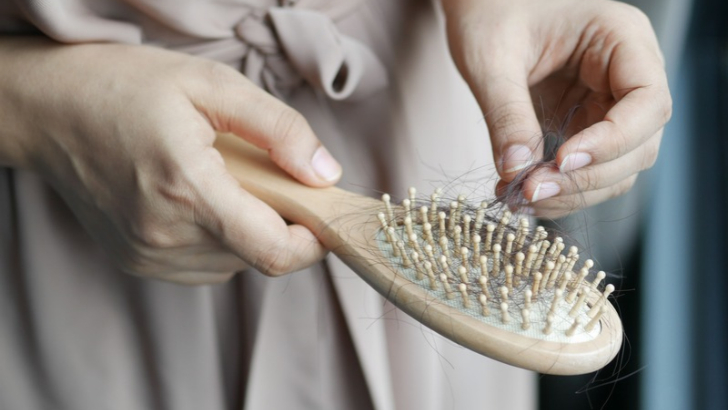
Hair strands do not always stay in the same phase. Each hair follicle goes through different phases: growth, transition and rest. At the end of the resting phase, the hair strand falls out and the follicle prepares to produce a new hair. Therefore, a certain amount of hair loss every day is considered normal. The American Academy of Dermatology considers the loss of approximately 50-100 hairs per day within normal limits.
However, the hair cycle is thought to not be completely constant throughout the year. In a six-year study conducted on 823 women, it was determined that the transition of hair to the resting phase increased in the summer months, and then more hair loss could be observed in the autumn. Older studies also reveal that there is an increase in telogen, that is, the proportion of hair in the resting phase, in late summer and early autumn.