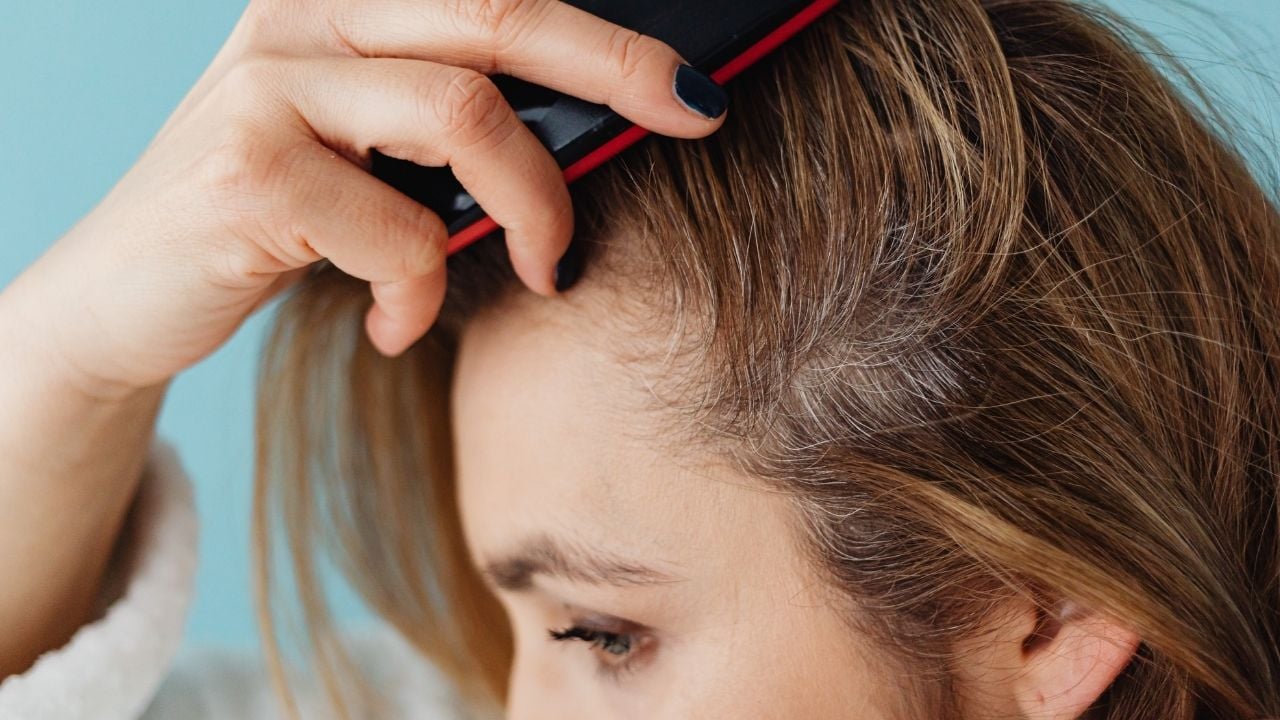
Acne problems on the face or body are among the situations we are familiar with. However, these disturbing structures may occasionally appear on the scalp. Scalp acne, which is observed as a result of sebum imbalance in the scalp, can cause problems such as itching, redness or pain if it is not controlled. Although it is usually possible to eliminate it by reconsidering basic hygiene habits, sometimes other underlying causes of the problem may need to be examined.
Important note: All information and suggestions included in this article have been prepared for general information purposes, based on scientifically supported articles, and do not contain any expert advice. The page content does not include items containing information regarding therapeutic health services. Be sure to consult your physician for diagnosis and treatment.

Scalp acne is the result of inflammation or blockage in the hair follicles. These structures, which resemble pimples and acne in appearance, are technically called folliculitis. Sebum on the scalp is the natural oils secreted to the hair follicles through follicular channels. When sebum, the basic moisturizing material, is secreted in balanced proportions, it nourishes the hair follicles and creates a protective layer on the skin. However, as a result of excessive sebum increase, acne appears on the skin that is different from the normal skin tone and filled with fluid or pus. The risk of scalp acne, which is not limited to a certain age group and affects people of all genders, may increase in the following situations:
In addition to these; Excessive stress, genetic factors and nutritional habits can also lead to scalp acne problems.